
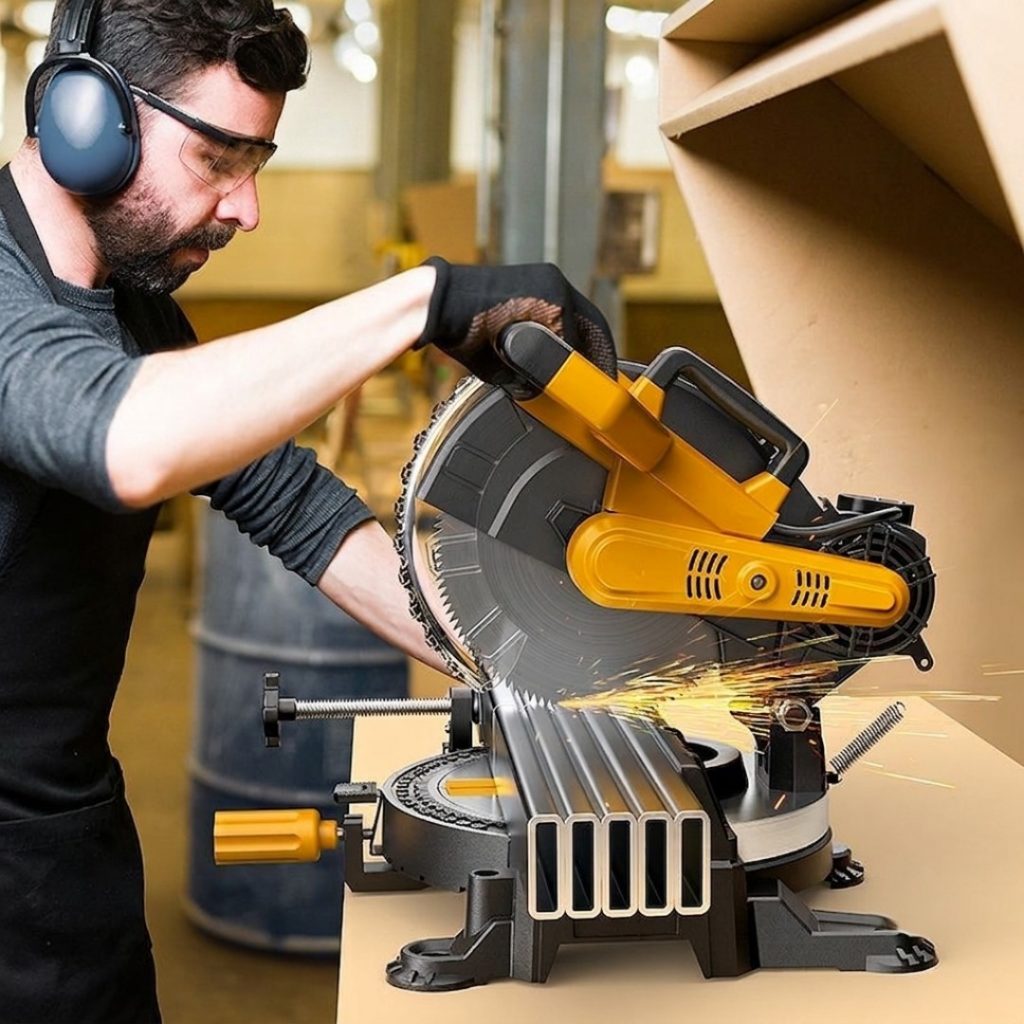
For lighting contractors and installers, perfectly cutting LED aluminum profiles and their covers on-site is a daily challenge. A bad cut leads to light leaks, loose end caps, scratched hands from sharp burrs, and wasted materials.
One of the most common issues we see is shattered diffusers and messy edges. In this guide, we break down the professional techniques for cutting aluminum extrusions and polycarbonate (PC) or acrylic (PMMA) covers flawlessly every time.
The Secret to Cutting Diffusers: Blade Selection
Cutting Acrylic (PMMA) Covers:
Acrylic is notoriously brittle and sensitive to heat. You must use a dedicated acrylic/plastics saw blade (typically featuring a special tooth geometry and high tooth count).
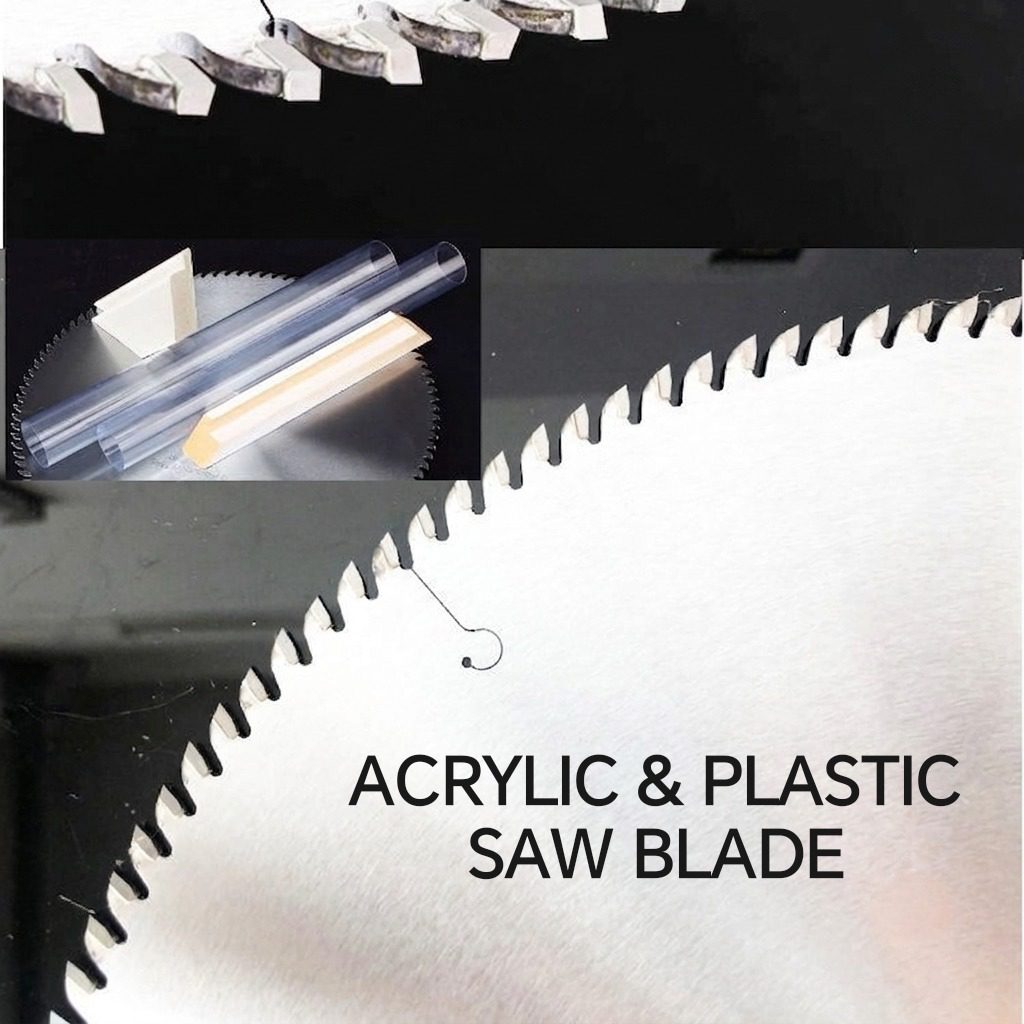
- If you use a standard blade, the friction will generate excess heat, causing the acrylic to melt and leave a thick, messy residue (melted glue/smearing) on the cut edge.
- The wrong blade will also catch the material, causing the acrylic to shatter or chip instantly.
Cutting PC (Polycarbonate) Covers:
While PC is more flexible than acrylic, cutting large batches of PC diffusers with a standard blade will still result in frayed edges and micro-cracking over time. Always stick to a plastics-rated blade for high-volume jobs to ensure clean, factory-like edges.
💡 Pro Tip: The “Blade Lifecycle” Hack
Premium acrylic blades can be expensive. To maximize your consumable efficiency on-site, use your brand-new blades exclusively for cutting Acrylic and PC diffusers. Once the blade undergoes slight wear and loses its razor-sharp edge for plastics, repurpose it for cutting the aluminum profiles. Slightly worn plastic blades perform excellently on aluminum extrusions without snagging!
Preventing Diffuser Shatter on Miter Saws
When working on-site with a manual chop saw or miter saw, contractors often need to make 45-degree angle cuts or fast 90-degree straight cuts.
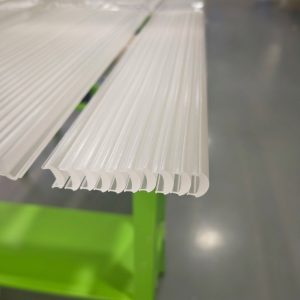
If you try to cut the plastic diffuser on its own, the sheer force of the miter saw will cause the lightweight cover to vibrate and wobble, almost guaranteeing it will crack or shatter.
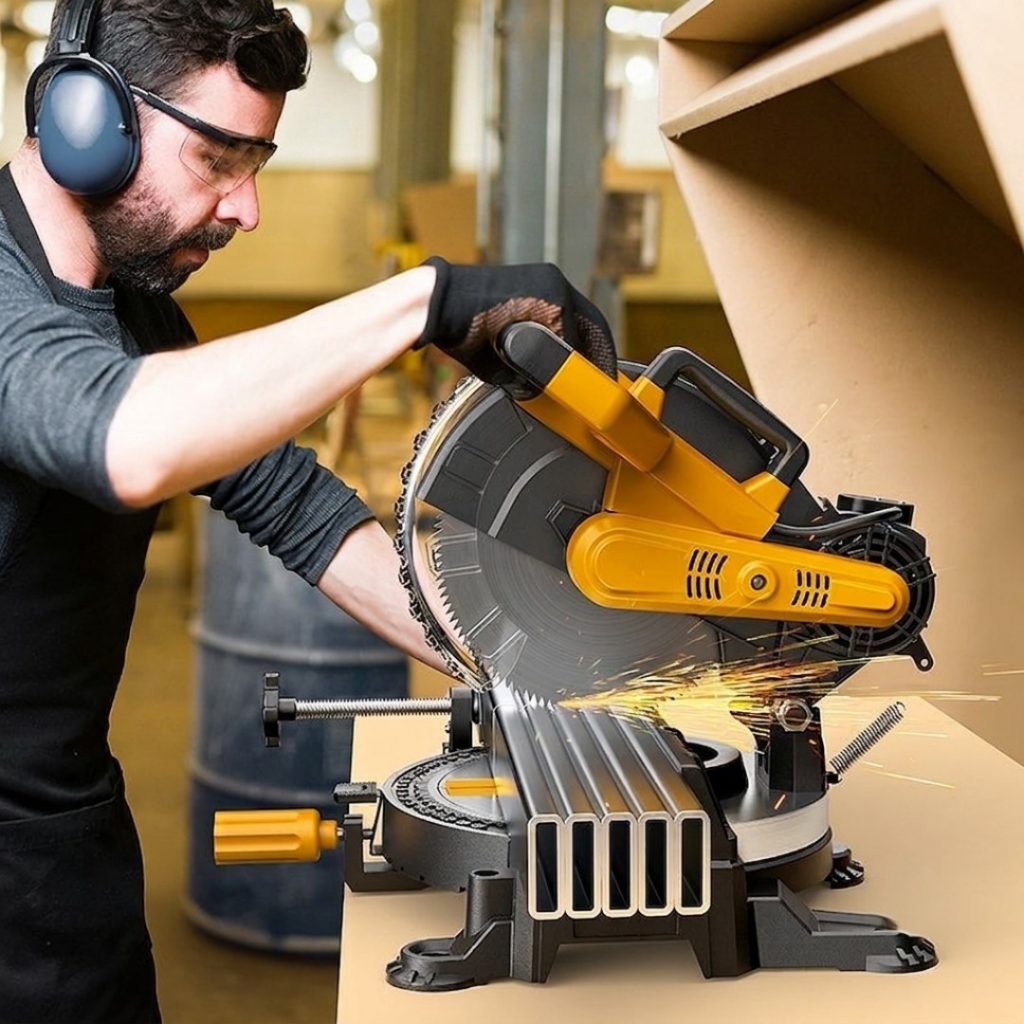
The Solution:
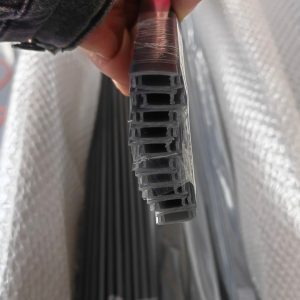
For the most precise cut with zero tolerance issues, snap the diffuser cover directly into the aluminum profile before cutting. Cutting them both together as a single, solid unit eliminates vibration. The rigid aluminum acts as a stabilizing jig for the fragile plastic.
If snapping the cover in and out feels too slow for your specific workflow, you must use tight external clamps or a custom wooden jig to hold the diffuser completely rigid against the saw fence.
Managing Aluminum Burrs: Anodized vs. Powder Coated
Even with good blades, cutting aluminum can leave sharp edges (burrs) that prevent end caps from sitting flush.
- Anodized Profiles: The micro-thin electrochemical layer cuts cleanly, but the raw aluminum beneath can pull slightly.
- Powder Coated Profiles: These are much more prone to jagged edges during cutting. The thick, baked-on resin layer can chip or tear when the saw teeth strike it, leaving a messy combination of plastic and metal burrs.
To ensure a clean cut on both finishes:
- Tape the Cut Line: Wrap blue painter’s tape tightly around the profile where you intend to cut. This holds the powder coating tightly against the metal, significantly reducing chipping.
- Deburring: Keep a simple handheld pipe deburring tool or a fine metal file in your toolbelt. Two quick swipes across the cut edge will remove the burrs, ensuring a perfectly tight fit for your end caps.
The LEDLINEA Standard: Real Materials for Real Job Sites
At LEDLINEA, we know the reality of job site installations. Achieving a completely burr-free cut with a manual chop saw can be challenging, even with professional tools.. However, the quality of your raw materials dictates how easy the cleanup will be.
- Pure Aluminum: We use high-purity 6063-T5 aluminum. Unlike cheaper alloys, it cuts predictably and cleanly, meaning a quick swipe with a deburring tool is all you need.
- Virgin Plastics: Our diffusers are made from 100% virgin resin. They have the structural flexibility to survive saw vibrations without shattering into pieces.
Want to save on-site labor? We also offer custom pre-cutting services to deliver profiles exactly to your requested lengths.
Need help selecting the right LED profile or diffuser for your project? Our team can provide samples and technical recommendations based on your installation requirements.
👉 [Insert Link: https://ledlinea.com/contact-us/]