
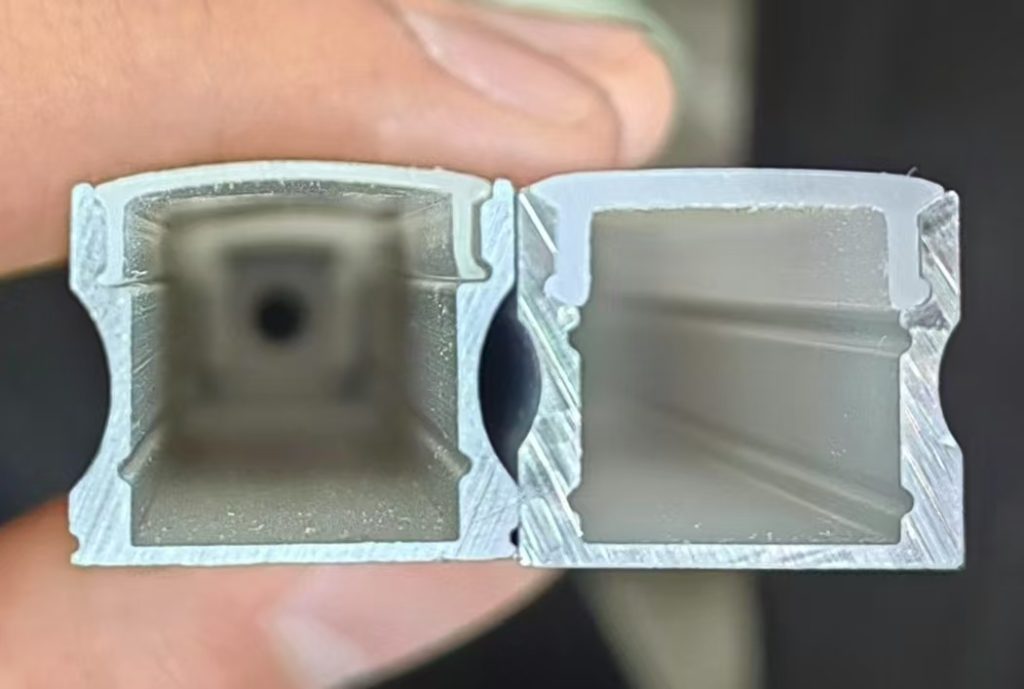
When choosing an LED aluminum profile, many buyers focus on the profile size, diffuser type, or finish, but aluminum thickness is equally important.
The right thickness affects:
- structural strength
- heat dissipation
- transportation safety
- installation reliability
- overall project appearance
However, thicker aluminum is not always better. The ideal thickness depends on the profile size, application, quantity, and transportation method.
For urgent replacement orders or small quantity shipments
For urgent replenishment or time-sensitive orders, transportation cost can become a major factor.
Because aluminum profiles are lightweight but long and bulky, air freight is often calculated based on dimensional weight. A thicker aluminum profile increases both material weight and shipping cost.
In some cases, the additional air freight cost caused by heavier profiles can exceed the added aluminum material cost itself.
For larger volume orders shipped by sea freight, transportation cost has a much smaller impact per meter. Therefore, buyers usually have more flexibility to choose heavier and stronger profiles.
Lightweight LED Profiles: 0.6mm Thickness as an Economical Option
For small and simple LED aluminum profiles, around 0.6mm thickness is commonly used as an economical solution.
Advantages:
- lower material cost
- lighter weight
- easier transportation
However, thinner aluminum has less resistance against external force.
During transportation, handling, or installation, thinner profiles are more likely to experience:
- surface dents
- bending deformation
- shape distortion
Therefore, 0.6mm profiles are generally more suitable for cost-sensitive applications where transportation and installation conditions are well controlled.
Recommended Thickness for Small Profiles
For most small LED aluminum profiles, 0.8–1.1mm thickness is a more balanced choice.
This thickness range provides a good balance between:
- structural strength
- heat dissipation ability
- transportation safety
- cost efficiency
Especially for the main aluminum body and LED strip mounting area, sufficient material thickness helps improve heat transfer and keeps the profile shape stable.
Larger Profiles Require More Aluminum Thickness
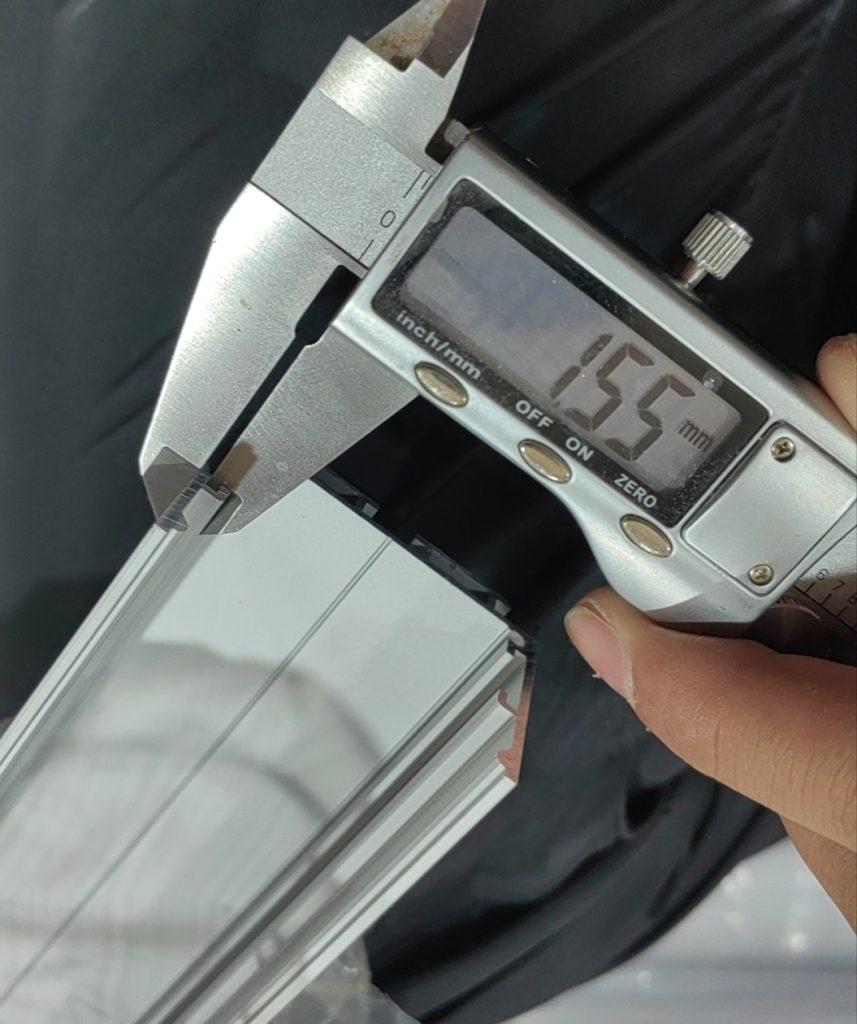
As the profile size increases, the aluminum structure carries more stress.
For medium-size profiles, a thickness of around:
1.3–1.5mm
is commonly recommended.
For large architectural profiles, heavy-duty recessed channels, or profiles with larger spans:
1.8–2.0mm
may be required.
Larger profiles with insufficient thickness may look strong because of their size, but the wider structure is actually more sensitive to bending and deformation.
Special Applications Need Higher Structural Strength
Plaster-in LED Profiles and Cove Lighting
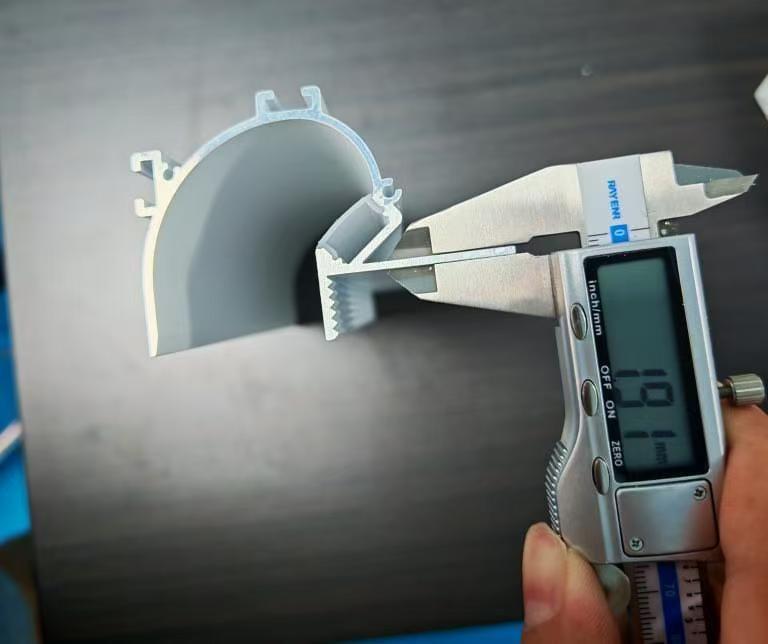
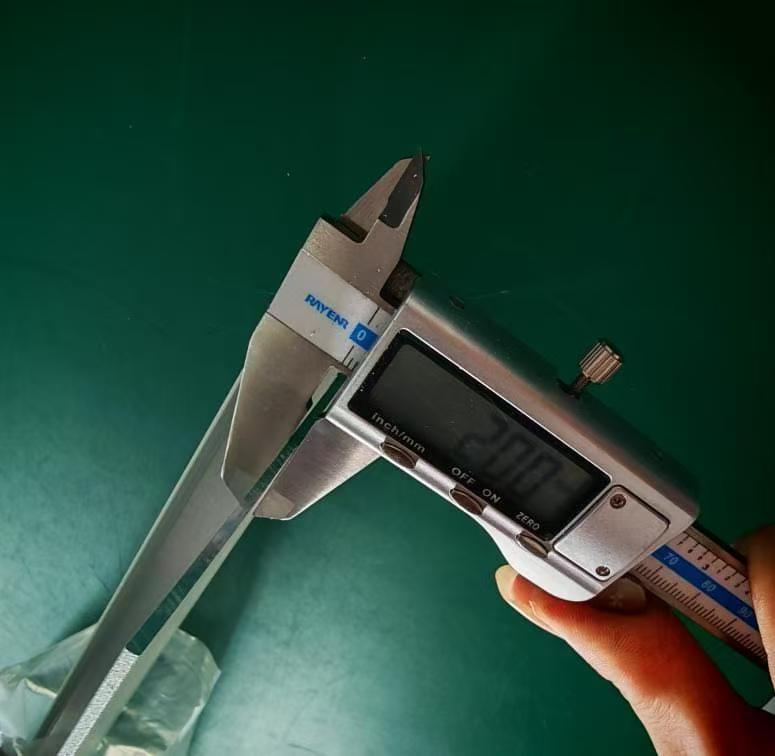
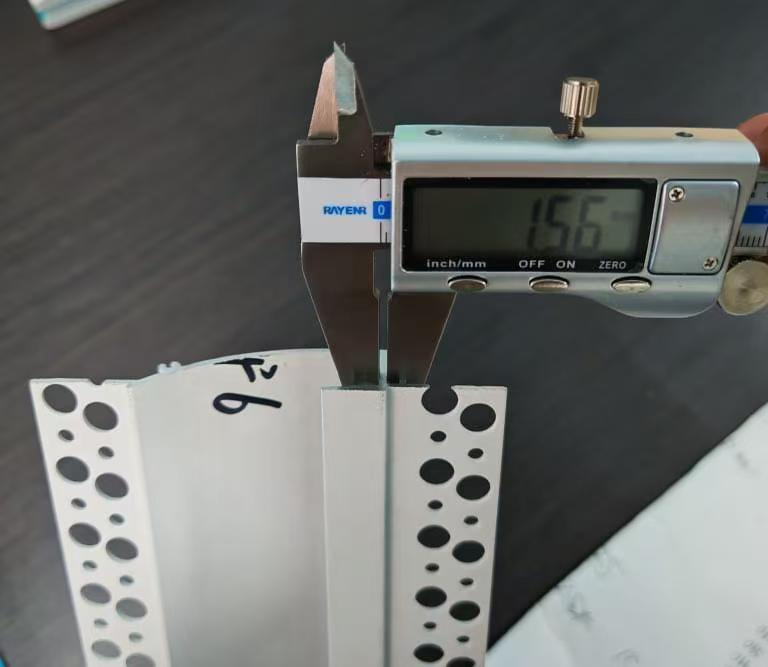
For plaster-in profiles, recessed channels, and architectural lighting applications, extremely thin aluminum is usually not recommended.
These profiles often become part of the visible architectural finish.
Once installed, deformation caused by:
- transportation
- storage
- construction handling
can be difficult to correct and may affect the final appearance of the lighting line.
For these applications, stronger aluminum construction provides better installation reliability.
Stair LED Channels and Foot Lighting Profiles
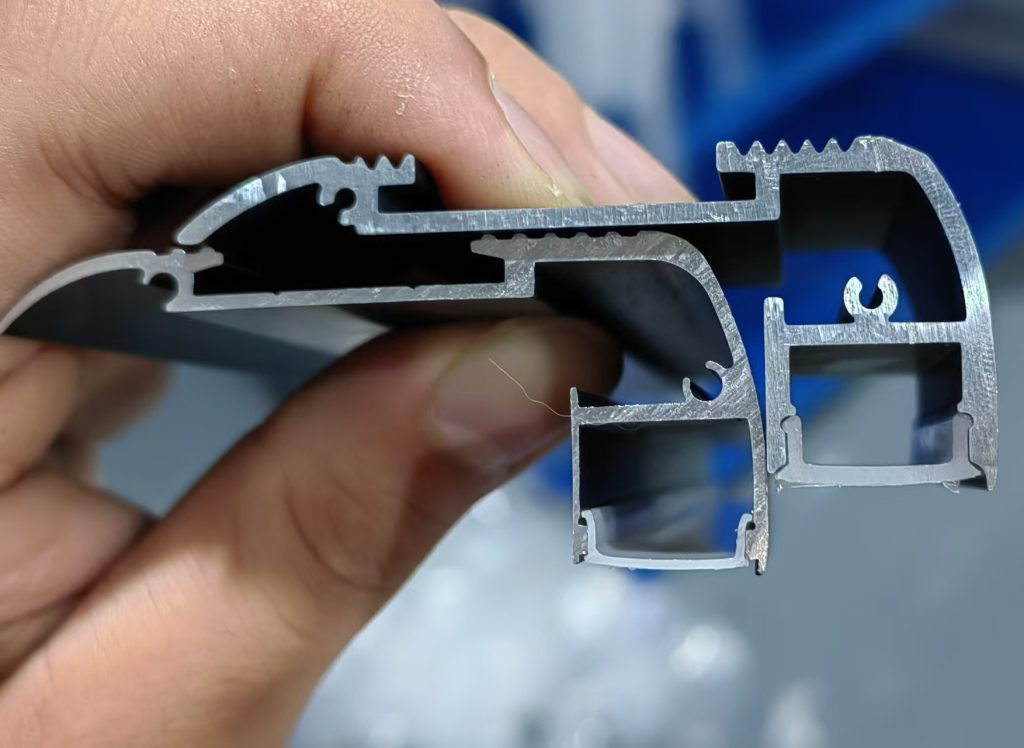
For stair nosing LED channels or floor lighting profiles installed in areas subject to physical contact, the load-bearing structure should be considered.
A stronger aluminum body, especially in the core supporting area, is recommended.
Generally, profiles with structural areas above approximately 1.5mm thickness provide better resistance against daily impact and installation stress.
Is Thicker Aluminum Always Better?
Not necessarily.
An overly thick aluminum body combined with a thick diffuser may create another problem:
Installation tolerance.
If the overall profile design does not leave enough installation allowance, an extremely rigid structure may become difficult to fit during installation.
Meanwhile, thinner aluminum has slightly more flexibility, which can sometimes help during installation.
Therefore, the best design is not the thickest possible profile, but the correct thickness combined with proper profile dimensions.
Conclusion
The ideal LED aluminum profile thickness depends on more than just material cost.
A practical selection usually follows these guidelines:
| Application | Recommended Thickness |
|---|---|
| Economy small profiles | Around 0.6mm |
| General small profiles | 0.8–1.1mm |
| Medium profiles | 1.3–1.5mm |
| Large architectural profiles | 1.8–2.0mm |
| Stair / high-impact applications | Usually 1.5mm+ structural areas |
Choosing the right thickness helps balance cost, durability, shipping efficiency, and installation quality.
Need LED Profiles for Your Application?
LEDLINEA supplies aluminum LED profiles for:
- Cabinet lighting
- Architectural and commercial lighting
- Recessed and trimless lighting
- Indirect and cove lighting
For small quantity evaluation and product testing:
Visit LEDLINEA Shop:👉 [Insert Link: https://shop.ledlinea.com/]
For custom requirements, larger quantities and professional support:
Contact LEDLINEA:👉 [Insert Link: https://ledlinea.com/contact-us/]